

Welcome back, Challengers,
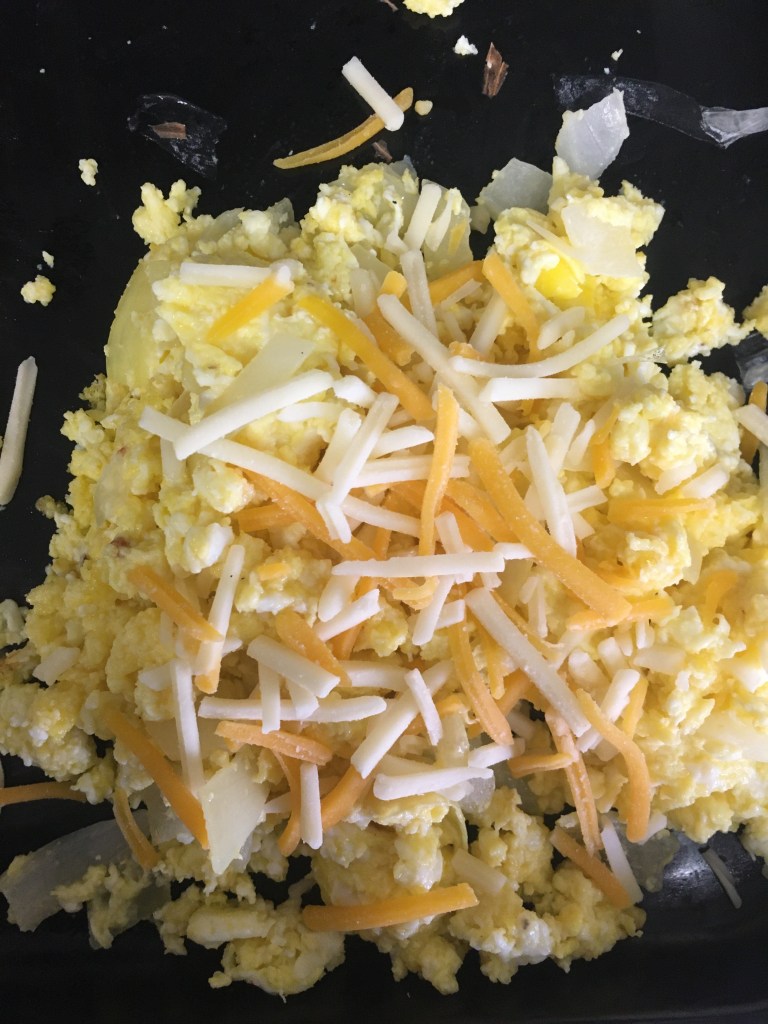
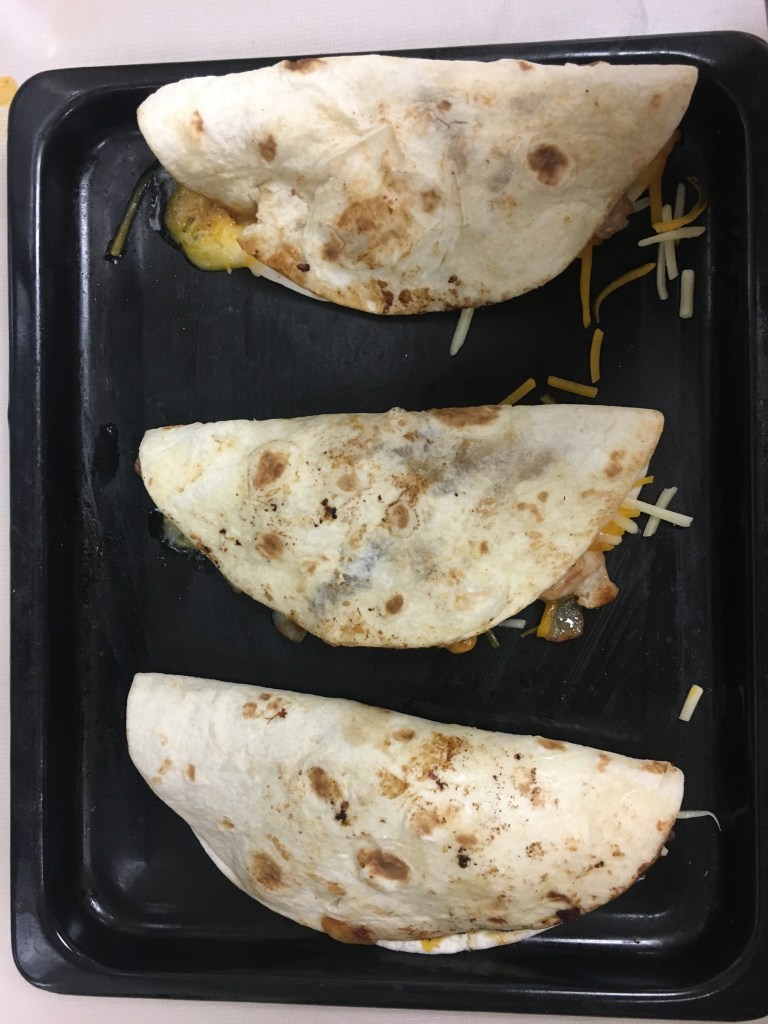
I am not a chef and have never taken the time to learn expensive, fancy recipes. This week, my skill with only the most basic foods may be an advantage, since I only have the most basic resources to make my meals. That being said, even simple eggs without any form of seasoning on them made for a disappointing breakfast.
Not only will my meals this week be especially bland, I also found that, despite my calculated grocery planning, none of the foods I’d bought could be taken “to go”. Many times throughout the day, I’d find myself hungry and too far from the dorm to cook a meal before my next class. Normally, I’d buy a snack from a vending machine on the way or from a club bake sale. Not being able to indulge in these quick snacks forced me to confront (even a slight) hunger as I’d never had to do on a college campus where food is always available, and the privilege of never having to schedule my day around my next meal.
The task of rejecting readily available food was the biggest drawback for CNN Reporter Sean Callebs, who attempted the SNAP challenge for a month (Callebs, 2009). While saying no to free or accessible food is difficult, the very fact of its existence is a psychological cushion for those doing the challenge. Knowing that the food we’ve bought isn’t our only source of nutrition should we need it gives a sense of security that those who rely on SNAP do not have, fundamentally altering our experience. While we may be living on the same budget, those doing the SNAP challenge have far more control over their experience because it’s a restraint that one puts on oneself for a temporary period of time. SNAP recipients, on the other hand, don’t have the psychological luxury of support systems and security nets. According to one woman from Louisiana named Mollie, trying to live off of food stamps requires constant worry about your next meal. In an interview she explained that, “every time I go to the grocery store I look my receipt and say, “O.K., how much do I have until the sixth of next month when I get my food stamps again?” I’m worrying all the time” (“This is Hunger”, n.d.). If I ran out of food this week, I could simply walk into a common building on campus and someone would be there with free food. When food stamps run out for Mollie, however, “it’s kinda scary not knowing if I’m gonna have any money to eat tomorrow” (“This is Hunger”, n.d.). While the challenge has been publicized as a way to “step into another’s shoes” it is not the case. Rather, this mentality promotes misinformation about the lives of the food insecure. It is far better to listen to their stories than to imagine you can live it for a week.
SOURCES
Callebs, S. (February 2009). Blog: Living on Food Stamps. Cable News Network. Retrieved from http://www.cnn.com/2009/US/02/12/am.callebs.foodstamps.blog.archive/
This is Hunger Series: Mollie. MAZON. Retrieved from https://mazon.org/this-is-hunger/stories/mollie
 Marion Comi-Morog